 Made in the USA
 ISO certified
 41 years in business
 Excellence in manufacturing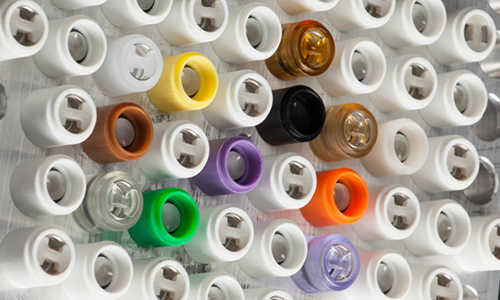
Hydraulic systems rely on controlled fluid movement to transfer power, support equipment operation, and protect system components. Within these systems, check valves help control the direction of fluid flow by allowing media to move one way while preventing reverse flow.
Also referred to as non-return valves, check valves for hydraulic systems are commonly used to help prevent backflow, reduce the risk of line draining, protect pumps and accumulators, and support consistent system performance.
For low-flow, low-pressure applications, plastic check valves may be a practical option when the valve material, pressure rating, fluid compatibility, and installation requirements align with the system design. The right check valve should be selected based on actual system conditions, not valve type alone.
What Are Check Valves Used in Hydraulic Systems?
Check valves used in hydraulic systems are directional flow control components used to permit fluid flow in one direction and block flow in the opposite direction. They are installed in hydraulic circuits where reverse flow could affect system performance, damage components, or interfere with startup and shutdown conditions.
In many applications, these valves are used to:
- Help maintain fluid direction within a circuit
- Prevent reverse flow through pumps or other components
- Reduce the chance of line draining when equipment is not operating
- Protect accumulators from unintended fluid discharge
- Support system readiness during restart
Check valves do not replace pressure relief valves or flow control valves, but they can play an important role in maintaining proper flow direction.
How Check Valves Work (In Hydraulic Systems)
Most check valves for hydraulic systems include a valve body, inlet and outlet ports, and an internal sealing element. Depending on the valve design, that sealing element may be a poppet, cone, disc, or ball.
When fluid enters the valve in the intended direction and reaches the required opening pressure, the sealing element moves away from the seat. This opens the valve and allows flow to pass through.
When flow stops or pressure reverses, the sealing element returns to the seat and creates a seal that blocks backflow. Many check valves use a spring to help the valve close quickly and consistently.
Correct installation is essential because a check valve must be oriented with the intended flow direction to function properly.
Common Applications for Check Valves in Hydraulic Systems
In hydraulic systems, these check valves are used in a wide range of circuits where backflow prevention is important. Common applications include pump outlets, accumulator circuits, return lines, and systems where fluid must remain in place during idle periods.
Helping Prevent Reverse Pump Rotation
When hydraulic fluid flows backward through a pump, it can cause reverse rotation or unnecessary wear. A check valve installed at the pump outlet can help prevent reverse flow into an inactive pump.
Supporting Accumulator Protection
Accumulators store pressurized hydraulic fluid. Check valves can help prevent stored fluid from flowing backward into other parts of the system when equipment is shut down or pressure conditions change.
Reducing Line Draining
When equipment is not in use, certain hydraulic lines may need to remain filled with fluid. Check valves can help reduce line draining, which may support smoother restarts and reduce the chance of air entering the system.
Managing Flow Direction in Multi-Pump Systems
In systems with more than one pump, check valves are often used to isolate active and inactive pumps. This helps prevent fluid from one pump from flowing into another pump that is offline.
Types of Check Valves in Hydraulic Systems
There are several check valve types used in hydraulic systems, and the right option depends on the flow path, pressure requirements, available space, and service conditions.
Common types include:
- Cartridge check valves, which are designed to be installed into a cavity or manifold
- In-line check valves, which are installed directly into the fluid line
- Modular check valves, which are used as part of a modular hydraulic assembly
- Miniature check valves, which are used in compact or low-flow systems
- 2-way check valves, which allow flow through two ports in one direction while blocking reverse flow is this generic or describing our parts?
For low-flow or low-pressure systems, compact plastic valve designs may be appropriate when the application does not require metal construction or high-pressure performance.
When to Consider Low-Pressure Plastic Check Valves
Low pressure check valves are typically used in applications where the system does not require high-pressure metal hydraulic components. Plastic check valves may be suitable for certain hydraulic applications when the operating conditions fall within the valve’s pressure, temperature, chemical compatibility, and flow limitations.
Important factors to evaluate include:
- Operating pressure and expected pressure spikes
- Required opening pressure
- Flow rate
- Hydraulic fluid compatibility
- Temperature range
- Installation orientation
- Seal and O-ring material
- Space constraints
- Maintenance access
Material compatibility is especially important in hydraulic applications because the valve body and seal materials must be suitable for the hydraulic fluid being used.
Maintenance Considerations for Check Valves
Routine inspection and fluid maintenance can help extend check valve life and reduce performance issues.
Inspect for Wear or Damage
Check valves should be inspected for visible leaks, cracking, deformation, or signs of wear. Any damage to the valve body, seal, or internal components can affect performance.
Monitor System Behavior
Changes in system pressure, unusual pressure drops, inconsistent flow, or unexpected equipment behavior may indicate that a check valve is sticking, leaking, or not sealing properly.
Maintain Fluid Cleanliness
Contaminated hydraulic fluid can interfere with the movement of the poppet, ball, or sealing element. Particles in the fluid may prevent the valve from opening or closing as intended, which can lead to leakage or restricted flow.
Confirm Proper Installation
If a check valve is installed backward or in the wrong location, it may block intended flow or fail to prevent reverse flow. Verifying valve orientation is an important part of installation and troubleshooting.
Many check valve performance issues are related to contamination, incorrect installation, or mismatched valve specifications.
Plastic Check Valves for Low-Flow Hydraulic Applications
Smart Products USA manufactures low-flow, low-pressure plastic check valves that may be used in hydraulic systems where plastic construction is appropriate for the application.
Available valve styles include:
- Series 100 Standard Cartridge Check Valves
- Series 100 Specialty Cartridge Check Valves
- Series 200 NPT and Metric Check Valves
- Series 300 Modular Check Valves
- Series 500 Miniature Modular Check Valves
These valves can be configured based on application needs, including body material, O-ring material, spring pressure, and opening pressure. Configuration options can help match the valve to the system’s fluid, pressure range, and performance requirements.
Choosing the Right Check Valve for Your Hydraulic System
Selecting the right check valve starts with understanding the system requirements. In low-flow, low-pressure hydraulic applications, the valve should be evaluated for pressure rating, material compatibility, opening pressure, flow performance, and installation style.
Before selecting a valve, it is important to define the operating conditions the valve will need to handle. This includes pressure, flow rate, fluid type, temperature, installation space, and expected maintenance needs.
For applications that require a plastic check valve, reviewing these details early can help narrow the available options and reduce the risk of performance issues after installation.
To learn more about low-flow, low-pressure check valve options, please contact us using the button below or call 800-338-0404.